Jigsaw Puzzle Art: Relax Book
4.8 416.00 Reviews
Analysis By AppCompare
I spent time with Jigsaw Puzzle Art: Relax Book as a quiet, picture-focused puzzle game, and its appeal became clear very quickly: it is designed for short, low-pressure sessions rather than dramatic challenges or complicated progression. The basic idea is familiar, but the presentation aims to make assembling an image feel like a small break in the day. That makes it easy to pick up when I have only a few minutes, while still giving me enough concentration to settle into a longer session when I want something calmer.
This is a free puzzle game from Runyou, listed for Everyone and available on devices running Android 7.0 or later. Its current version is 1.1.24, and the game has already passed one million installs with an average rating of 4.8 from roughly twenty-four thousand ratings. Those figures suggest that the simple format is reaching a broad audience, but they do not replace personal fit: people who want competitive scores, a story, or demanding logic problems may find the experience too gentle.
How the current puzzle experience feels
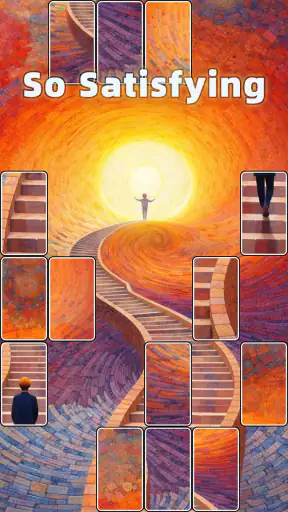
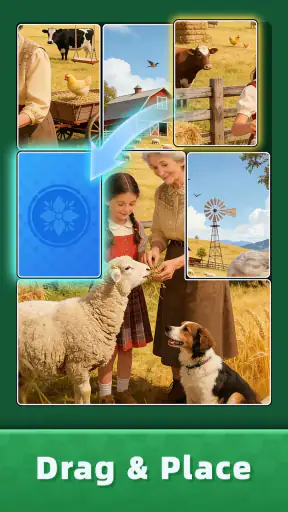
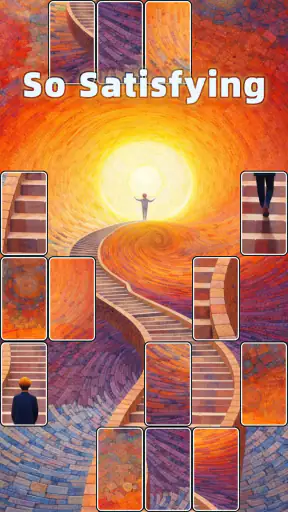
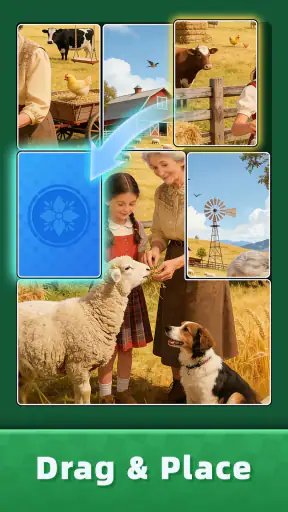
The central activity is assembling pictures from scattered pieces. I found the interaction immediately understandable, which is important for a game intended to be played casually. There is no long learning curve to get through before the relaxing part begins. I can open it, choose a picture, and start working with the pieces without first learning a complicated set of rules.
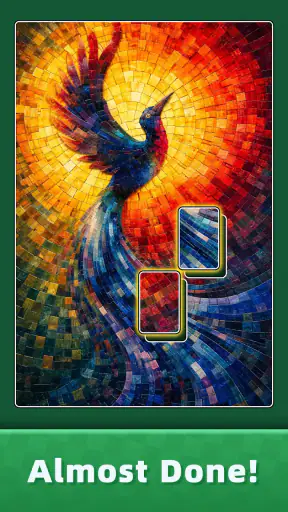
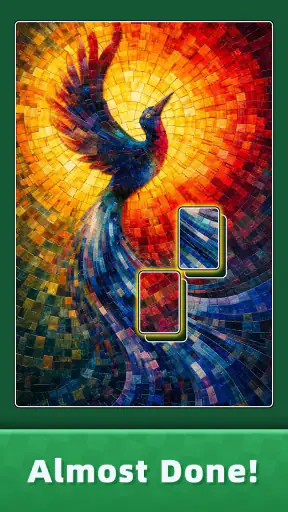
The visual focus matters more here than it would in a traditional number or word puzzle. The image is not merely a background for the challenge; it is the reason the puzzle feels satisfying when it comes together. Areas with strong colors or recognizable objects give me useful reference points, while similar-looking sections require more patience. That creates a natural rhythm: quick progress at the beginning, followed by slower sorting when only the less distinctive pieces remain.
I would describe the difficulty as approachable rather than intense. The game works well when I want to keep my hands occupied while listening to music or taking a short break, because the goal is clear and the mental demand stays manageable. At the same time, the picture-based format can still hold my attention when I deliberately slow down and inspect the details.
One practical strength is that the game does not require me to reserve a large block of time. A puzzle can be treated as a short activity, paused mentally, and returned to later when I feel like continuing. That makes it a better match for waiting rooms, commutes where phone use is comfortable, or the few minutes before bed than games built around live matches or fixed turns.
What I noticed while solving pictures
I had better results when I started by grouping pieces according to visible color and texture instead of trying random placements. Sky, foliage, walls, and other broad areas often create their own little piles. I then looked for straight edges and distinctive shapes. This approach is more effective than dragging every piece toward the image and hoping something fits, especially once the puzzle becomes visually dense.
A useful habit is to avoid treating the first easy matches as the entire objective. Completing a recognizable object in the center can make the picture feel nearly finished, even though the border or a large plain area still needs attention. I found it more relaxing to alternate between obvious details and difficult sections rather than forcing myself to clear one stubborn region all at once.
The game is also a reasonable option for people who enjoy visual organization but do not want the mess of a physical jigsaw. There are no loose cardboard pieces to lose, no table space to protect, and no need to pack anything away between sessions. The trade-off is that the tactile feeling of turning a real piece in your hand is missing. Players who love the physical click of a cardboard puzzle may consider that a meaningful difference, not a minor one.
Where it fits in everyday use
My favorite use case is a short evening reset. After a busy day, I can spend a little time matching pieces without dealing with a plot, timers, or a competitive ranking. The activity gives my attention one clear task, which is useful when I want to step away from social feeds but do not feel ready for a demanding game.
It can also suit families because the content rating is Everyone and the rules are easy to explain. However, “easy to start” does not mean every picture will be equally comfortable for every player. Younger users may need help with small visual details or device controls, while older players may appreciate the slower pace but prefer a larger screen for examining similar pieces.
For someone who regularly plays classic jigsaw puzzles, this is best viewed as a convenient companion rather than a full replacement. A physical puzzle offers a stronger sense of scale and a more tangible reward. This game wins when convenience matters: I can carry it on a phone, begin without preparation, and stop without disturbing a half-built picture on the dining table.
What the latest version tells me about its direction
The current release, 1.1.24, shows that the game is being presented as an actively maintained product rather than a one-off picture collection. I treat that as useful context when deciding whether to spend time building a personal routine around it. A current version can make the experience feel more dependable for existing players, even though a version number alone does not tell me exactly which individual changes matter during play.
The release date is listed as November 23, 2025, so the product is still relatively new in its current lifecycle. That helps explain why the overall experience feels focused on its main idea instead of trying to cover every possible puzzle style. I would rather see a clear identity developed carefully than a large number of unrelated systems added simply to make the game appear busier.
For people who already played earlier versions, the most important question is whether the present build preserves the straightforward nature of the game. In my experience, the appeal depends on being able to open the app and settle into a picture without unnecessary friction. The current version supports that basic expectation. I would still advise returning players to judge the update by how comfortable the latest interface feels on their particular phone, since visual puzzle controls are sensitive to screen size and touch accuracy.
New users should not assume that a high rating means the game will provide endless variety in the same way as a large competitive puzzle platform. The rating indicates strong reception, but the personal experience depends on whether relaxing picture assembly is enough to keep you interested. If you need constant novelty, escalating difficulty, or a sense of mastery based on speed, you may reach the limits of this format sooner than someone who enjoys repetition and calm focus.
Small habits that make the game more enjoyable
I recommend beginning with the outside pieces whenever the image gives you a clear border. Creating the frame reduces the search area and makes the remaining picture easier to read. When a border is not visually obvious, I switch to sorting by color families and look for pieces with unusual lines, corners, or high-contrast details. This is a simple change, but it prevents the session from becoming a sequence of unproductive guesses.
Another useful approach is to change the distance between my eyes and the screen rather than staring at the same zoom level. A picture that looks confusing close up can reveal a broad color pattern when viewed normally, while tiny shapes become easier to compare when I inspect them more closely. This is especially helpful with images containing large areas that share nearly the same tone.
I also prefer to stop before frustration replaces relaxation. A difficult final section can tempt me to keep searching long after the game has stopped feeling pleasant. Leaving it for later is not a failure; it preserves the reason to return. When I come back with fresh attention, pieces that seemed interchangeable often become easier to distinguish.
These habits reveal one of the game’s less obvious trade-offs. Because the challenge comes from visual comparison rather than complex rules, progress depends heavily on patience and screen comfort. A player with a large, bright display may find detailed pictures inviting, while someone using a smaller screen could experience the same design as tiring. That is not a flaw unique to this title, but it is worth considering before choosing it as a regular relaxation tool.
Who should choose it, and who should look elsewhere
I would recommend it to anyone who likes picture puzzles, wants a calm mobile activity, or prefers games that can be understood without instructions. It is particularly suitable for players who enjoy completing a visible image and do not need a story to justify the time spent. The free price also makes it easy to try without committing money first.
I would be more cautious if your idea of a puzzle game involves deductions, wordplay, physics, or increasingly complex problem solving. A picture assembly game asks for observation and persistence, but it does not offer the same kind of mental workout as a logic-grid title or a number puzzle. Likewise, competitive players may prefer a game with timed rounds, head-to-head play, or detailed performance tracking.
It may also be the wrong choice for someone who wants a completely offline hobby with no dependence on a phone. A physical jigsaw remains better for shared table time, tactile interaction, and a larger finished display. Conversely, if your priority is portability and immediate access, the digital format is much more practical.
One question many people have is whether they need a powerful modern device. The minimum operating system is Android 7.0, which places the game within reach of many older Android phones. Still, the quality of the experience will depend on the screen and touch response as much as on the operating system. If pieces feel cramped or your display makes subtle colors hard to separate, the game may be less comfortable even when the device technically supports it.
Another reasonable question is whether it is suitable for children. The Everyone rating makes it broadly appropriate from a content perspective, and the rules are simple enough to understand. I would still supervise younger children when necessary, particularly if they are prone to pressing repeatedly or becoming frustrated by pieces that look similar. The calm design does not automatically eliminate the need for sensible screen-time boundaries.
Limitations I would keep in mind
The biggest limitation is also the game’s defining characteristic: the experience stays close to the jigsaw format. That focus is welcome when I want exactly this kind of relaxation, but it can feel narrow if I play for long stretches and expect a steady stream of new mechanics. The absence of a stronger secondary system means the pictures and the act of arranging them must carry the experience.
Visual similarity can create friction. When several pieces share the same color or texture, progress may slow for reasons that feel more like careful searching than clever solving. Some players will enjoy that meditative patience; others may see it as unnecessary repetition. I think the difference comes down to whether you want the puzzle to challenge your reasoning or simply give your attention a quiet place to rest.
The touch interface also deserves realistic expectations. Digital pieces are convenient, but they do not provide the physical feedback of a real jigsaw. On a small phone, moving and comparing pieces can require more precision than expected. I found the experience more comfortable when I was not rushing and when I kept the device steady rather than trying to play while walking.
There is also a difference between “free to start” and “perfect for every player.” The price removes an entry barrier, but it does not guarantee that the available picture style will match everyone’s taste. I would try a few sessions before making it my main puzzle game. If the visual work itself does not hold your attention, no amount of convenience will make the routine last.
What I would watch as the game develops
Because the current version is 1.1.24 and the release is recent, I would watch how Runyou continues to refine the core experience. The most valuable improvements would be the ones that make sorting and placing pieces feel clearer without turning a relaxing game into a complicated one. Better comfort on different screen sizes would matter more to me than adding systems that distract from the pictures.
I would also pay attention to how future updates balance variety with consistency. New visual material can encourage people to return, but the game should retain the quick, approachable entry that makes it attractive in the first place. If later changes add too much pressure or too many interruptions, they could weaken the quiet quality that separates this title from more demanding puzzle alternatives.
Existing users should judge updates by practical feel: can they resume a puzzle comfortably, recognize the image clearly, and continue playing without relearning the basic interaction? New users can use the same test after their first few sessions. The important evidence is not simply that the version number rises, but whether the game remains pleasant during the ordinary moments for which it is intended.
My overall view is positive, with a clear qualification. This is best understood as a portable relaxation ritual, not an all-purpose puzzle platform. I like its directness, its picture-centered appeal, and the way it fits into small gaps in the day. I would choose it over a competitive puzzle game when I want to slow down, and over a physical jigsaw when I need something instantly available.
At the same time, I would steer a friend toward another category if they wanted deep logic, social competition, or a strong long-term progression system. For the right player, though, Jigsaw Puzzle Art: Relax Book does not need to be more complicated than it is. Runyou has built its appeal around a familiar activity, and the current version works because it lets that activity remain the focus. With its free entry, Everyone rating, and support for Android 7.0 and later, it is an easy game to try; whether it becomes a keeper depends on how much you enjoy the quiet satisfaction of turning a scattered image into a complete one.
FAQ
What is Jigsaw Puzzle Art: Relax Book?
Jigsaw Puzzle Art: Relax Book is a casual puzzle game focused on completing colorful jigsaw images in a calm, relaxing environment. Players select a picture, fit the scattered pieces together, and gradually reveal the finished artwork. It is designed for short sessions or longer play periods, making it suitable for users who enjoy visual puzzles without fast action, complicated rules, or competitive pressure.
How does the gameplay work, and is it suitable for beginners?
The gameplay is straightforward: choose an available image, examine the puzzle pieces, and place each one into its correct position to complete the picture. The simple controls make the game approachable for beginners, children, and casual players. As you progress, puzzles may become more detailed or challenging, so the experience can remain interesting even after you become comfortable with the basic mechanics.
Can I play Jigsaw Puzzle Art: Relax Book offline?
Many puzzle games allow at least some content to be played without a constant internet connection, but the exact offline functionality can depend on the version installed and how the game delivers images, advertisements, rewards, or updates. Before relying on it during travel, open the game once while online and test the main puzzle features in airplane mode. Additional content may still require internet access.
Does Jigsaw Puzzle Art: Relax Book contain advertisements or in-app purchases?
The game may use advertisements or optional in-app purchases as part of its monetization model. Ads can appear between puzzles or when players request helpful features, while purchases may unlock items, remove advertising, or provide other conveniences. Availability and pricing can vary by device, region, and update. Review the store listing and payment settings before downloading, especially if children will use the app.
Is Jigsaw Puzzle Art: Relax Book safe and appropriate for children?
Jigsaw Puzzle Art: Relax Book is generally suited to players who enjoy peaceful, image-based entertainment, and its puzzle format does not rely on violence or complex social interaction. However, parents should check the current age rating, advertising content, privacy information, and any purchase options shown in the Google Play Store or App Store. Parental controls are recommended if younger children use the device independently.
Pros
- Calming gameplay suitable for short breaks or longer relaxing sessions.
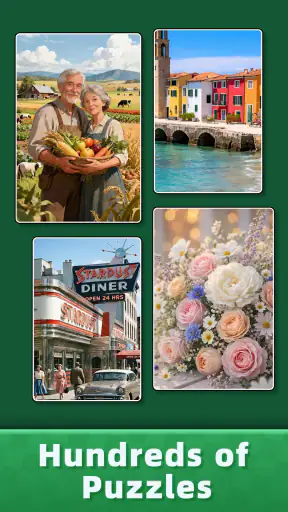
- Large variety of colorful artwork keeps the experience from feeling repetitive.
- Simple controls make it accessible for both children and casual players.
- Helpful visual design makes puzzle pieces easy to distinguish.
- Offline play is convenient when traveling or away from a stable connection.
Cons
- Some puzzles may feel too easy for experienced jigsaw enthusiasts.
- Repeated artwork styles can reduce the sense of discovery over time.
- Hints or extra assistance may lessen the challenge for purists.
- Progress can feel slow if new content depends on rewards or limits.
- Small pieces may be difficult to handle on compact phone screens.